Managing household expenses has become more structured with the shift toward digital payments. One of the most practical changes is the ability to pay utility bills online. From electricity and water charges to gas and internet payments, online platforms allow users to stay organized and avoid missed deadlines. This method also supports better financial planning by offering clear payment histories and reminders.
When people manage payments digitally, they often gain access to broader financial tools such as savings options and short-term credit support. Many users who explore the Best FD options or rely on an instant loan app also prefer digital bill payments because everything stays connected in one financial routine. Paying utility bills online is no longer just about convenience; it plays a role in managing monthly expenses with clarity and discipline.
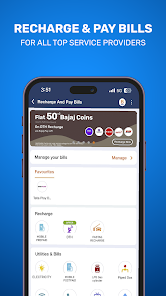
Why Online Utility Bill Payments Matter
Reduced Manual Effort
Paying bills online removes the need to visit payment centers or handle cash. Payments can be completed in minutes from a mobile device or computer. This approach reduces effort and allows users to focus on tracking expenses rather than managing payment logistics.
Better Expense Awareness
Online bill payments create a digital record of every transaction. Users can review past bills, compare monthly usage, and understand spending patterns. This visibility helps households plan better and avoid unnecessary expenses.
Timely Payments Without Delays
Missed due dates can lead to penalties or service disruptions. Online payment systems often provide reminders and scheduled payment options. This ensures bills are paid on time, supporting smoother monthly budgeting.
How Paying Utility Bills Online Supports Expense Management
Centralized Payment Tracking
When all utility payments are handled online, users can track expenses in one place. This makes it easier to calculate total monthly costs and identify areas where spending can be reduced.
Improved Monthly Budget Planning
Digital payment histories help users estimate future expenses accurately. Knowing average utility costs allows better allocation of funds for savings, investments, or emergencies.
Less Dependency on Emergency Funds
Unexpected expenses often occur when bills are missed or mismanaged. Organized online payments reduce last-minute financial stress and minimize the need to rely on short-term borrowing.
Role of Digital Payments in Personal Finance Discipline
Encouraging Consistent Financial Habits
Regular online payments encourage disciplined money management. When users follow a fixed payment routine, they become more mindful of income and expenses.
Supporting Long-Term Financial Decisions
People who actively track expenses through online bill payments often make informed decisions about savings and investments. Exploring options like the Best FD becomes easier when monthly expenses are clearly defined.
Linking Payments With Financial Planning Tools
Online utility payments often integrate with budgeting tools. This helps users understand how daily expenses connect to larger financial goals such as building savings or managing debt responsibly.
Security and Reliability of Online Utility Payments
Secure Transaction Systems
Most online payment platforms use encrypted systems to protect user data. This reduces the risks associated with carrying cash or sharing payment details offline.
Transparent Payment Records
Digital receipts and transaction confirmations ensure transparency. Users can verify payments instantly and resolve disputes more efficiently if needed.
Reduced Risk of Payment Errors
Manual bill payments can lead to calculation or recording mistakes. Online systems automate calculations, reducing errors and ensuring accurate payments.
Managing Cash Flow With Digital Bill Payments
Predictable Expense Scheduling
Online payments allow users to plan payments around salary cycles. This helps maintain balanced cash flow throughout the month.
Flexibility During Financial Gaps
During months with unexpected expenses, users may need temporary financial support. Some people rely on an instant loan app to bridge short gaps, while still keeping utility payments on schedule through online systems.
Avoiding Late Fees and Extra Charges
Paying bills on time prevents additional charges. Over time, avoiding these small penalties contributes to noticeable savings.
Online Utility Payments and Household Financial Control
Simplifying Family Expense Sharing
In households with shared responsibilities, online payments allow multiple members to track bills. This promotes transparency and fair expense sharing.
Supporting Sustainable Financial Practices
Monitoring utility usage through digital bills often encourages reduced consumption. Lower usage leads to lower bills and improved monthly savings.
Aligning Daily Expenses With Financial Goals
When utility payments are predictable and transparent, households can allocate funds toward savings, investments, or debt reduction more confidently.
Integration With Broader Financial Tools
Linking Payments to Savings Strategies
Clear expense tracking makes it easier to decide how much money can be set aside regularly. Many individuals review utility costs before choosing savings options like the Best FD to ensure commitments are manageable.
Maintaining Financial Stability
Organized bill payments contribute to overall financial stability. When basic expenses are under control, users are less likely to face sudden financial pressure.
Responsible Use of Short-Term Credit
When necessary, people may use an instant loan app for emergencies. However, disciplined bill payments reduce over-dependence on short-term credit and support healthier financial habits.
Future of Utility Bill Payments
Increased Digital Adoption
As digital literacy grows, more users are shifting to online bill payments. This trend supports faster transactions and improved expense tracking.
Smarter Expense Insights
Advanced digital tools are expected to provide deeper insights into spending patterns. This will help users optimize utility usage and reduce monthly costs.
Greater Financial Awareness
Online payments encourage users to engage more actively with their finances. This awareness supports better decision-making across all areas of personal finance.
Conclusion
Paying utility bills online is a practical step toward managing monthly expenses with consistency and clarity. It simplifies payments, improves expense tracking, and supports responsible financial habits. When households understand their regular expenses, they can plan savings, investments, and emergency funds more effectively.
Digital bill payments also complement broader financial tools. People exploring options like the Best FD or managing short-term needs through an instant loan app benefit from having organized expense records. Overall, paying utility bills online strengthens financial control and helps individuals maintain stability in their monthly budgeting routine.